

In the industrial piping sector, a system’s lifespan is determined by its ability to withstand corrosive environments. Whether you are dealing with high-temperature chemicals, marine humidity, or acidic gases, choosing the wrong pipe fitting material is not just a costly maintenance issue—it is a significant safety risk.
At JS FITTINGS, we frequently consult with engineers and procurement managers who struggle to balance material performance with budget constraints. Below is our professional guide to selecting the optimal pipe fitting material based on specific corrosive conditions.
1. Assessing the Corrosive Environment
Before selecting a material, you must define the environment. Corrosive elements generally fall into three categories:
-
Atmospheric Corrosion: Exposure to humidity, salt, or industrial pollution.
-
Chemical/Internal Corrosion: Interaction with fluids, acids, or alkalis being transported.
-
High-Temperature/Pressure Corrosion: Conditions that accelerate oxidation or stress-corrosion cracking.
2. Material Selection: Pros and Cons
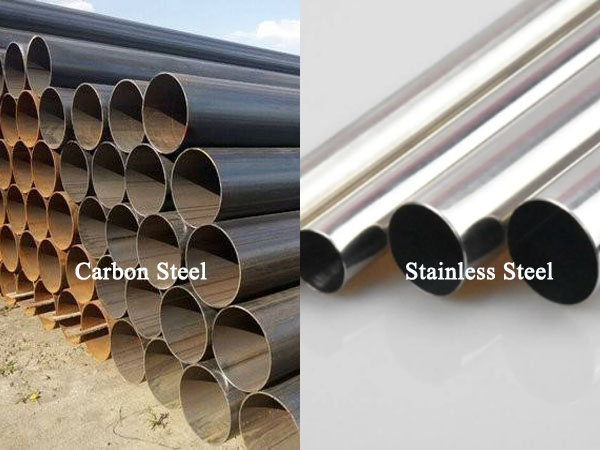
Carbon steel is the industry workhorse for oil, gas, and water transport.
-
Ideal For: Non-corrosive or mildly corrosive environments where temperature and pressure are the primary concerns.
-
Limit: Highly susceptible to rust. It requires protective coatings (epoxy, galvanizing) or cathodic protection when exposed to moisture.
-
Verdict: Cost-effective, but requires maintenance planning for exterior exposure.

The most common solution for corrosion resistance.
-
304 Stainless: Offers good oxidation resistance but can struggle in high-chloride environments (like seawater).
-
316/316L Stainless: The “Gold Standard” for corrosion resistance due to the addition of Molybdenum. It provides superior protection against pitting and crevice corrosion in chemical processing and marine applications.
-
Verdict: Essential for food processing, pharmaceuticals, and harsh chemical environments.
When strength and heat/corrosion resistance must coexist.
-
Function: Specifically engineered to resist “Hydrogen Attack” and high-temperature oxidation. Used extensively in refineries and power plants.
-
Verdict: The go-to choice for high-heat, high-pressure, and mildly acidic hydrocarbon streams.
3. A Quick Reference
| Environment | Recommended Material | Why? |
| General Water/Gas | Carbon Steel (A234 WPB) | Economical, high strength. |
| Marine/High Salinity | Stainless Steel 316L | Resists chloride-induced pitting. |
| Acidic Chemicals | Duplex/Super Duplex Steel | High strength & exceptional corrosion resistance. |
| High-Temp Steam/Oil | Alloy Steel (WP5/WP9) | Resists thermal degradation. |
4. Beyound Material
Choosing the material is only half the battle. To ensure longevity, consider these two factors:
-
Wall Thickness: In mildly corrosive environments, a thicker wall (Schedule 80 vs. Schedule 40) provides a “corrosion allowance,” extending the service life of the fitting.
-
Manufacturing Standard: Ensure your fittings comply with ASME B16.9 or DIN standards. Poorly manufactured fittings, even if the material is correct, often fail at the weld seam or threading due to stress concentrations.
5. Partner with JS FITTINGS
Navigating material science in piping systems can be complex. At JS FITTINGS, we provide comprehensive technical support to ensure your pipe fittings meet the specific environmental demands of your project. From standard carbon steel elbows to exotic alloy tees, we manufacture products that adhere to strict international quality standards.
Are you facing a specific corrosion challenge in your current project?
Contact our technical team today for a free material recommendation and a competitive quote tailored to your specifications.


 English
 Arabic
 Italian
 Polish
 Portuguese
 Romanian
 Russian
 Spanish
 Vietnamese